FIRE EXTINGUSHER
/FIRE EXTINGUSHER

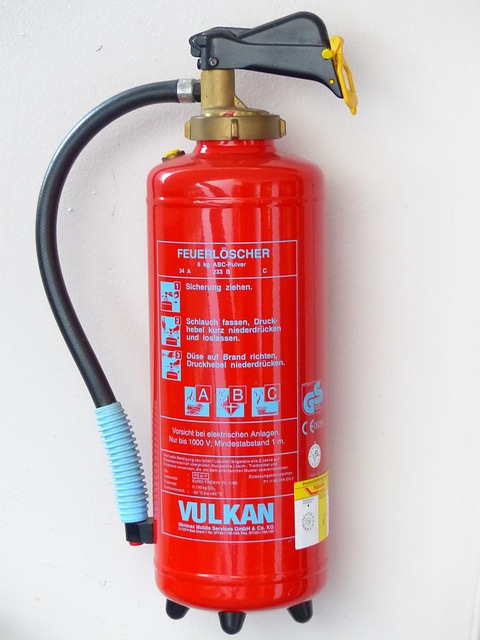
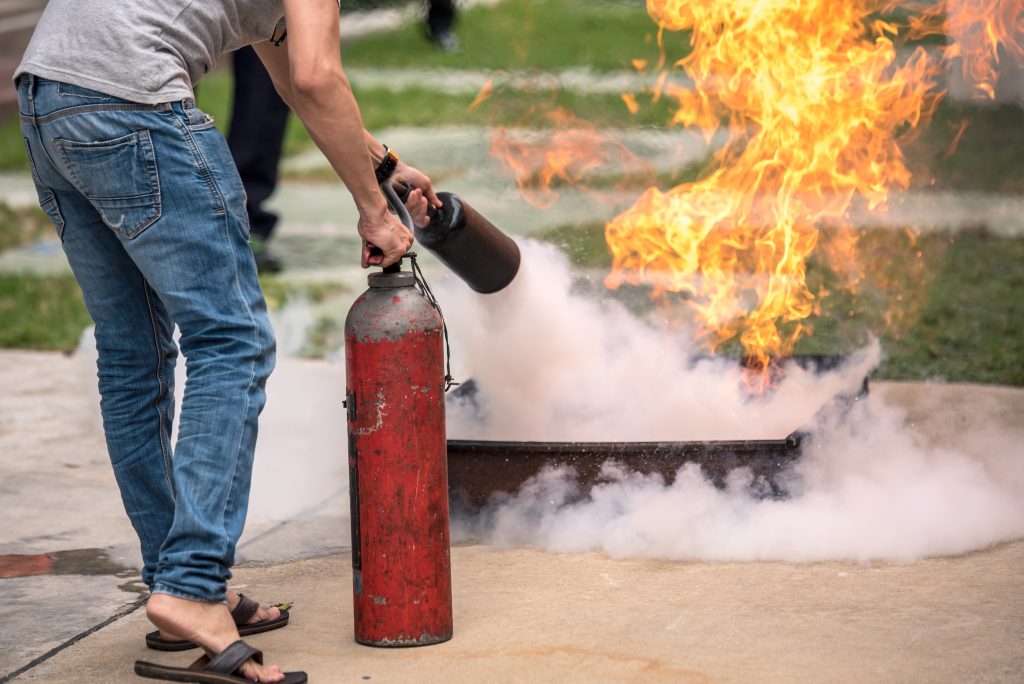
Fire Extinguishers

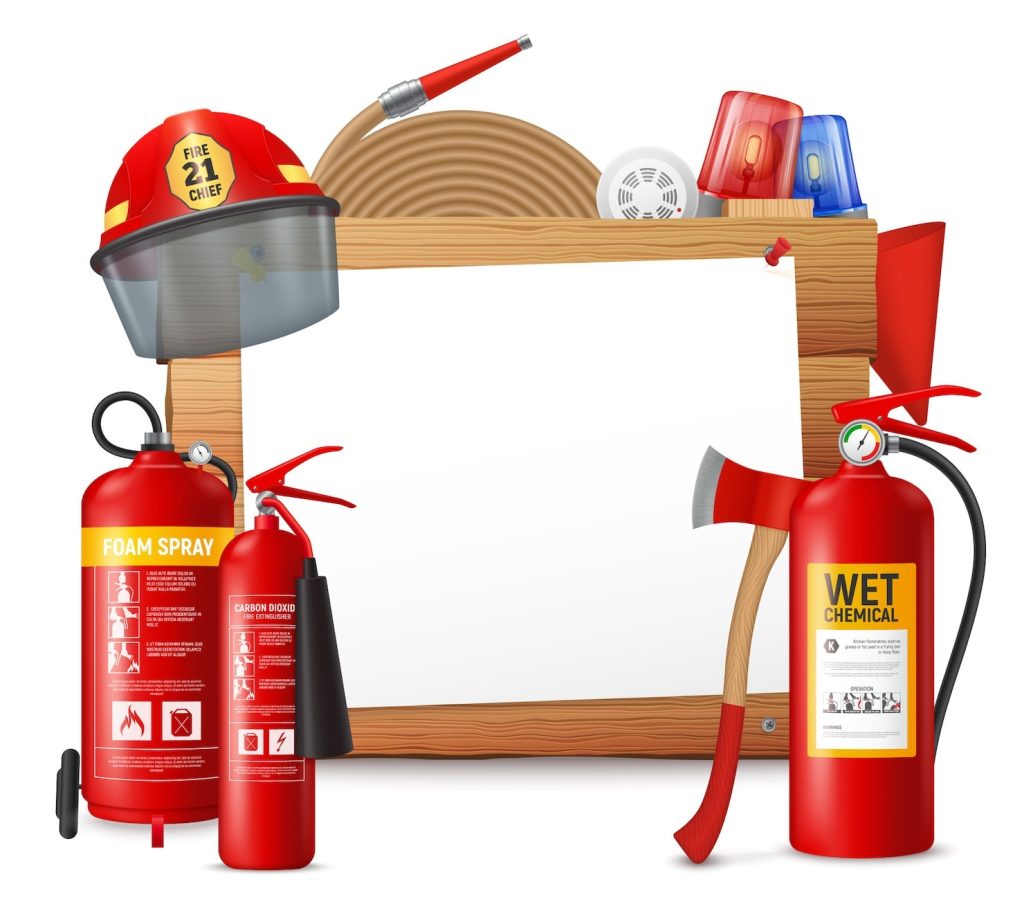
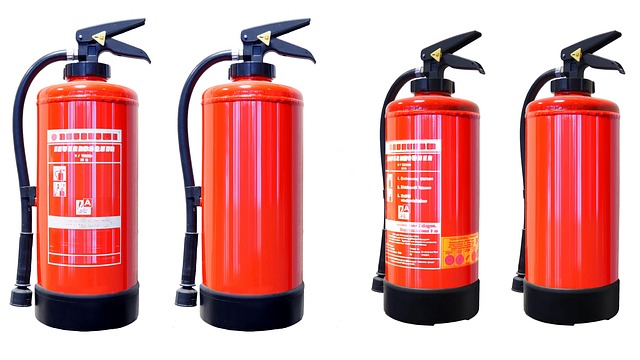
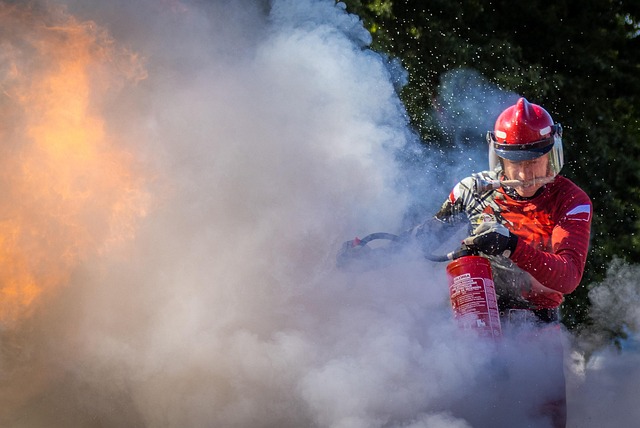
Fire Extinguishers are essential first-response safety devices designed to control or extinguish small fires before they escalate into major emergencies. Selecting the correct type of extinguisher is crucial, as different fires require different extinguishing agents. Fire extinguishers are identified by standard color codes that indicate their specific use.

Types of Fire Extinguishers by Color (A–E)

  • A. Water (Red)
    Suitable for Class A fires involving solid materials such as wood, paper, and cloth.

  • B. Foam (Cream)
    Used for Class A and Class B fires, including flammable liquids like petrol, diesel, and oil.

  • C. Dry Powder (Blue)
    Effective for Class A, B, and C fires, including flammable gases; widely used in industrial areas.

  • D. Carbon Dioxide – CO₂ (Black)
    Ideal for electrical fires and flammable liquids; leaves no residue and prevents equipment damage.

  • E. Wet Chemical (Yellow)
    Specifically designed for Class K fires involving cooking oils and fats, commonly used in commercial kitchens.
    • Water (Red)

      • Suitable for Class A fires involving solid combustibles such as wood, paper, and textiles

      • Not recommended for electrical or flammable liquid fires

      • Commonly used in offices, schools, and residential buildings

    • Foam (Cream)

      • Effective on Class A and Class B fires

      • Forms a blanket over flammable liquids to prevent re-ignition

      • Widely used in garages, warehouses, and fuel storage areas

    • Dry Powder (Blue)

      • Suitable for Class A, B, and C fires including flammable gases

      • Rapid fire knockdown capability

      • Leaves residue; ideal for industrial and outdoor applications

    • Carbon Dioxide – CO₂ (Black)

      • Best for electrical fires and flammable liquids

      • Non-conductive and residue-free

      • Commonly installed in server rooms, control panels, and laboratories

    • Wet Chemical (Yellow)

      • Specifically designed for Class K fires involving cooking oils and fats

      • Cools the fire and forms a protective layer to prevent re-ignition

      • Essential for commercial kitchens and food processing areas